Art as a Record of Community Life
Art can preserve gestures, relationships and everyday environments that formal records often overlook.

Community life is often documented through official events, statistics and public leaders. Art can record a different layer: the arrangement of a home, the rhythm of work, the closeness between family members and the small objects that carry memory. Such work can become historically valuable, but it should not turn people into symbols without recognising their individual lives and agency.
Record ordinary details with care
A daily scene may reveal more than a staged event. Clothing, tools, architecture and body language can locate a work in a specific time and place. Artists should note dates, names and circumstances while distinguishing direct observation from later interpretation. Accuracy matters even when the final image is expressive rather than documentary.
Build relationships before images
Repeated visits and conversation create a better understanding of what a community considers important. People should know how sketches, photographs or stories may be used. Consent is an ongoing process, especially when work moves from a local setting into commercial or international exhibitions.
Avoid a single story
Communities contain disagreement, humour, aspiration and change. Work that presents only hardship can flatten complex lives, while work that shows only celebration can hide real pressures. A series allows contrasting experiences to sit together and gives viewers a fuller sense of place.
Preserve context with the artwork
Captions, field notes, recorded conversations and exhibition texts can protect details that the image alone cannot carry. Store these records securely and respect requests for privacy. When possible, return documentation to the community in an accessible form rather than keeping the archive only in an artist's studio.
Practical checklist
- Confirm names and spellings with participants
- Explain where the work may be published or sold
- Invite feedback without promising editorial control that cannot be given
- Keep sensitive records separate from public exhibition material
Final thoughts
Art can become a rich record of community life when observation is joined with accountability. The value lies not only in what is shown, but in how relationships are built and how context is preserved. A respectful archive allows future viewers to encounter people as participants in history rather than anonymous subjects.
Related articles
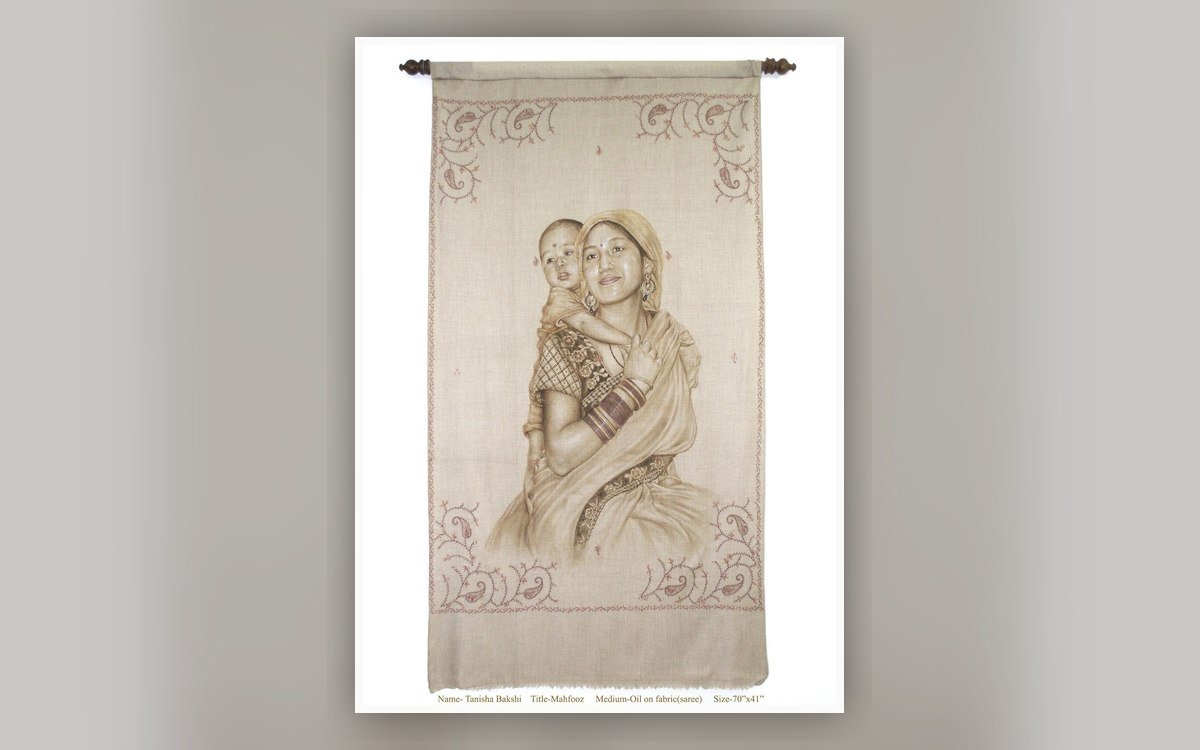
Why Mother and Child Remains a Powerful Subject in Art
The mother and child subject continues to hold power because it brings tenderness, labour, vulnerability and social reality into one human relationship.
Read article →
Ethical Storytelling When Art Draws From Real Communities
Ethical community based art depends on informed consent, accurate context, shared dignity and clear decisions about benefit and risk.
Read article →