Ethical Storytelling When Art Draws From Real Communities
Ethical community based art depends on informed consent, accurate context, shared dignity and clear decisions about benefit and risk.
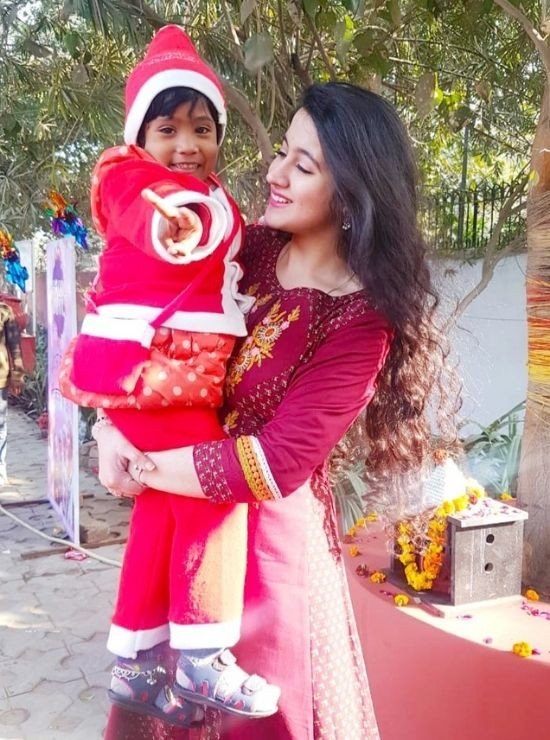
When art draws from real communities, artistic freedom exists alongside responsibility. A compelling image can travel far beyond the place where it was made, reaching audiences and markets that participants never expected. Ethical storytelling asks whether people understand that journey, whether the work increases risk and whether the artist's interpretation preserves dignity without hiding complexity.
Make consent understandable
Consent should explain the type of work, possible exhibitions, online publication, sales and the practical limits of withdrawing after distribution. Use language that participants understand and allow time for questions. A signature alone is not proof of meaningful agreement. For children or vulnerable adults, additional safeguards and appropriate guardianship are necessary.
Share context without exposing people
Names, locations and personal histories can add depth, but they can also create danger or unwanted attention. Discuss what may be identified and what should remain private. Composite or anonymous representation can sometimes protect participants, though the artist should not invent facts and present them as direct testimony.
Examine power and benefit
Artists often gain visibility, income or professional opportunities from community stories. Consider what participants receive in return, which may include payment, prints, workshops, shared credit or access to the final exhibition. Benefits should be agreed without making participation dependent on unrealistic promises.
Plan for disagreement and change
A participant may later feel differently about an image, or community circumstances may shift. Keep contact where appropriate and create a process for raising concerns. Not every disagreement can be resolved by removing a work, but listening and recording the decision shows that ethical responsibility continues after production.
Practical checklist
- Use separate permissions for portraits, quotations and sensitive personal details
- Do not pressure participation through local authority figures
- Budget for translation, travel and participant copies
- Review captions for language that stereotypes or sensationalises
Final thoughts
Ethical storytelling is not a restriction added after the creative process. It shapes research, image making, presentation and archiving from the beginning. Work becomes stronger when people are treated as informed participants and when the artist remains accountable for the life of the story beyond the studio.
Related articles
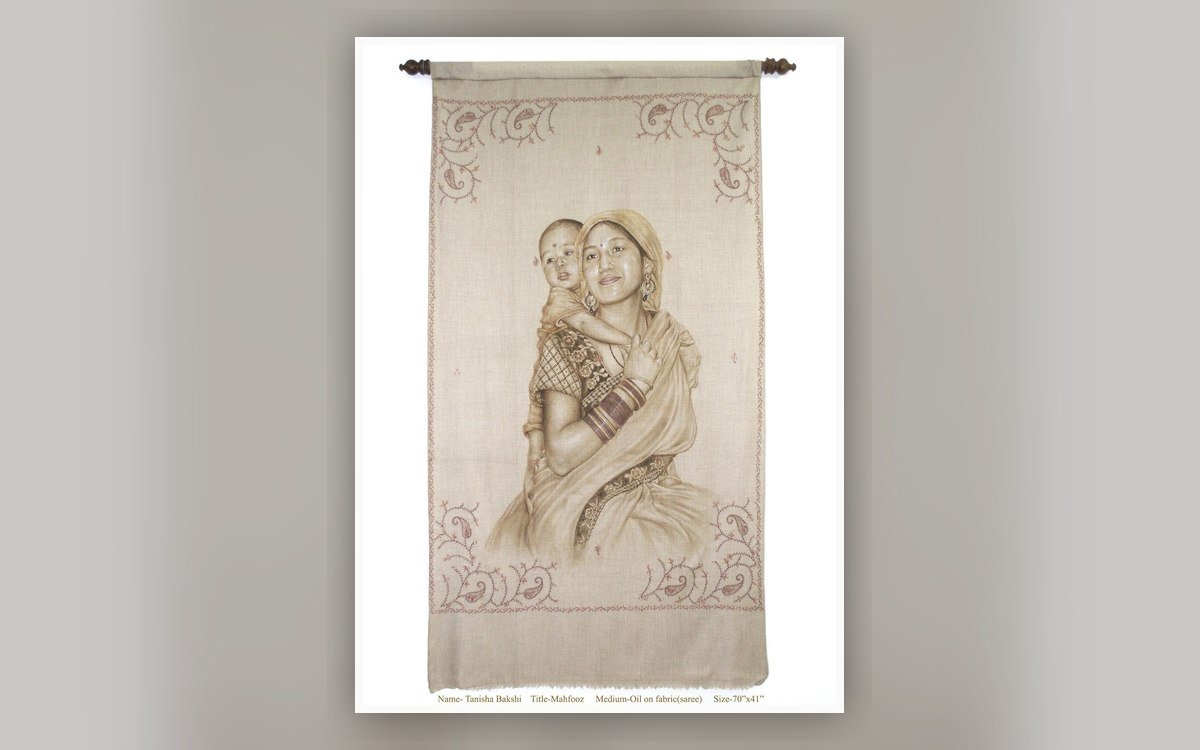
Why Mother and Child Remains a Powerful Subject in Art
The mother and child subject continues to hold power because it brings tenderness, labour, vulnerability and social reality into one human relationship.
Read article →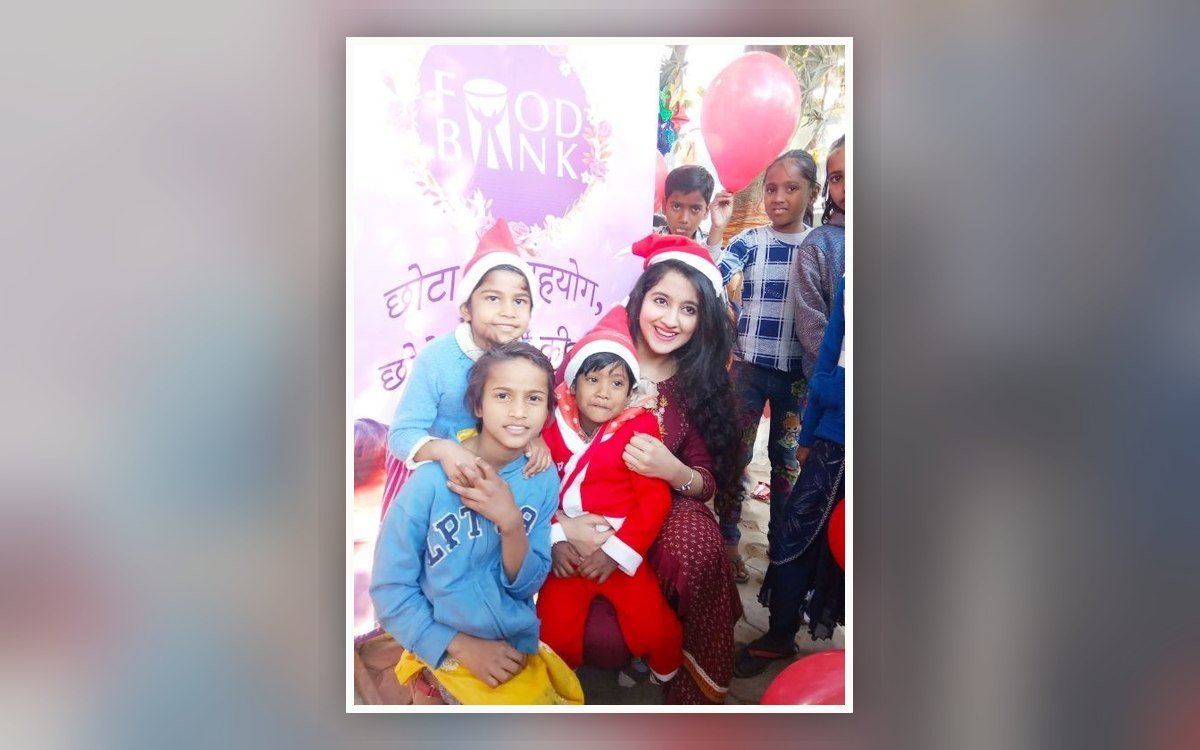
Art as a Record of Community Life
Art can preserve gestures, relationships and everyday environments that formal records often overlook.
Read article →