Why Mother and Child Remains a Powerful Subject in Art
The mother and child subject continues to hold power because it brings tenderness, labour, vulnerability and social reality into one human relationship.
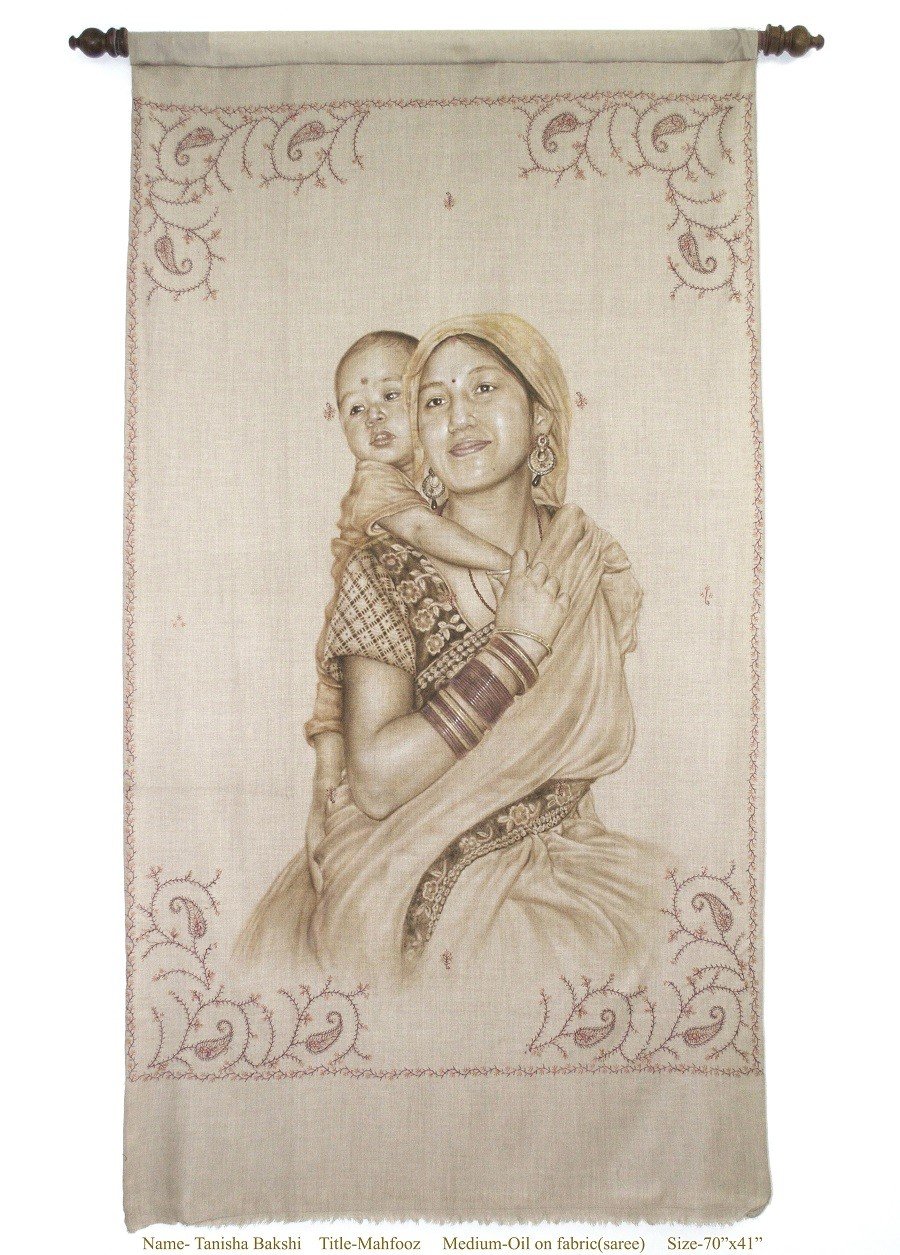
Images of mother and child appear across cultures and centuries, but the subject is not exhausted. Each time and place changes what motherhood requires, how care is shared and which struggles remain unseen. The familiar closeness of two figures can invite immediate recognition, while details of environment, posture and expression reveal a much larger social world.
A bond understood before language
The physical relationship between caregiver and child communicates through weight, touch, protection and gaze. Viewers often recognise these gestures without needing a detailed explanation. This accessibility allows an artwork to begin with intimacy and then open toward questions of health, labour, migration, poverty or hope.
Care includes effort and contradiction
Sentimental images can reduce motherhood to perfect calm. Real care also involves fatigue, fear, discipline, loss and resilience. Artists can honour tenderness without denying difficult conditions. Small observations such as a protective hand or an interrupted moment of rest often carry more truth than an idealised symbol.
The setting changes the meaning
A mother and child shown in a private room, a temporary shelter, a workplace or a public street will be read differently. Objects and architecture can reveal resources, displacement and cultural practice. Responsible research is essential when the artist works outside personal experience, because setting should not become decoration for hardship.
The subject can include wider forms of care
Contemporary approaches may explore grandmothers, adoptive parents, fathers, siblings and community care while remaining connected with the central experience of nurture. This wider view does not weaken maternal themes. It shows how care is supported, shared or left unsupported by society.
Practical checklist
- Observe gestures rather than relying on familiar poses
- Research the specific social setting of each image
- Avoid presenting hardship as spectacle
- Let individual personality remain visible within the larger theme
Final thoughts
Mother and child remains powerful because it is both universal and specific. The relationship can carry immediate tenderness while revealing the unequal conditions in which care takes place. When artists approach it with close observation and respect, the subject continues to speak about survival, dignity and the future.
Related articles
Ethical Storytelling When Art Draws From Real Communities
Ethical community based art depends on informed consent, accurate context, shared dignity and clear decisions about benefit and risk.
Read article →
Art as a Record of Community Life
Art can preserve gestures, relationships and everyday environments that formal records often overlook.
Read article →