Finding Inspiration Without Copying Other Artists
Research becomes original when artists study principles, combine sources and transform what they learn through lived experience.
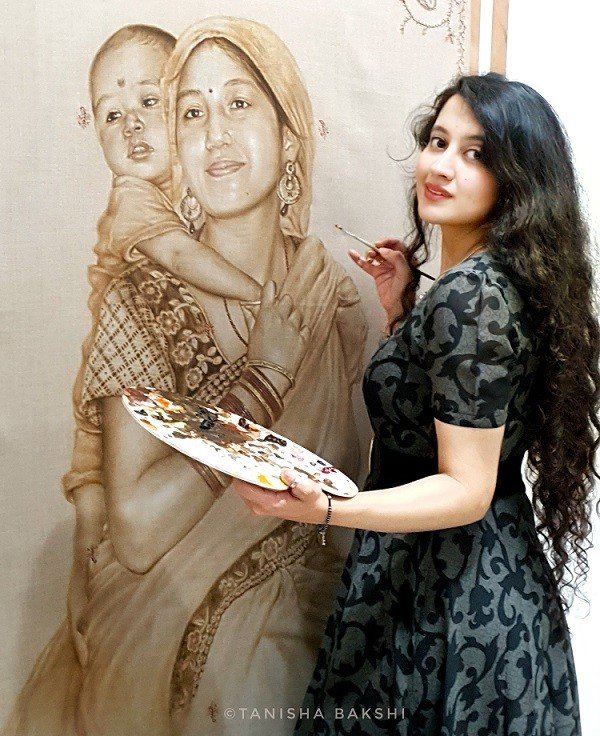
Every artist learns by looking at other art. The problem is not influence itself, but stopping at the most visible surface of another person's work. Copying a recognisable composition, character or mark may reproduce the appearance without understanding the decisions behind it. Responsible inspiration begins by identifying what truly creates interest, then testing that principle through different subjects, materials and personal research.
Name the principle, not the look
Instead of writing that you like an artist's style, describe the specific quality that matters. It may be compressed space, quiet lighting, repetition, unfinished edges or the use of ordinary objects. A principle can be explored in many ways, while a copied look remains dependent on the original source.
Use a wide reference field
Study art from different periods and regions, but also look at film, literature, architecture, family archives, nature and daily routines. When several sources contribute to a work, influence becomes a conversation rather than imitation. Keep notes about why each reference is relevant and where it differs from your own intention.
Return to direct experience
Personal observation provides details that cannot be borrowed. Draw from life, speak with people connected to the subject and record the atmosphere of real places. When work is rooted in lived encounters, outside references help solve artistic questions without becoming the main content.
Give influence an honest credit
Artists can acknowledge important sources in talks, notes or statements when the connection is meaningful. Quotation and appropriation have established roles in contemporary art, but they require clear context and may involve copyright or consent. When uncertain, transform the idea further or seek permission.
Practical checklist
- Wait before using a striking online image as a composition
- Make three studies that change subject, scale and material
- Keep source links and publication details in a research file
- Ask whether the final work could still exist if the main reference disappeared
Final thoughts
Originality is not isolation. It is the ability to absorb influence, question it and reshape it through a distinct set of concerns. Artists become less dependent on imitation when they look widely, work from direct experience and remain transparent about the sources that genuinely matter.
Related articles
Why Artist Statements Matter and How to Read Them
A useful artist statement offers context and questions without dictating what every viewer must feel.
Read article →
Building a Sustainable Studio Practice
A sustainable studio practice balances regular making with realistic time, material, financial and health decisions.
Read article →