How to Start Collecting Original Art on a Realistic Budget
New collectors can begin with works on paper, open studios and a clear budget while learning to buy with confidence.
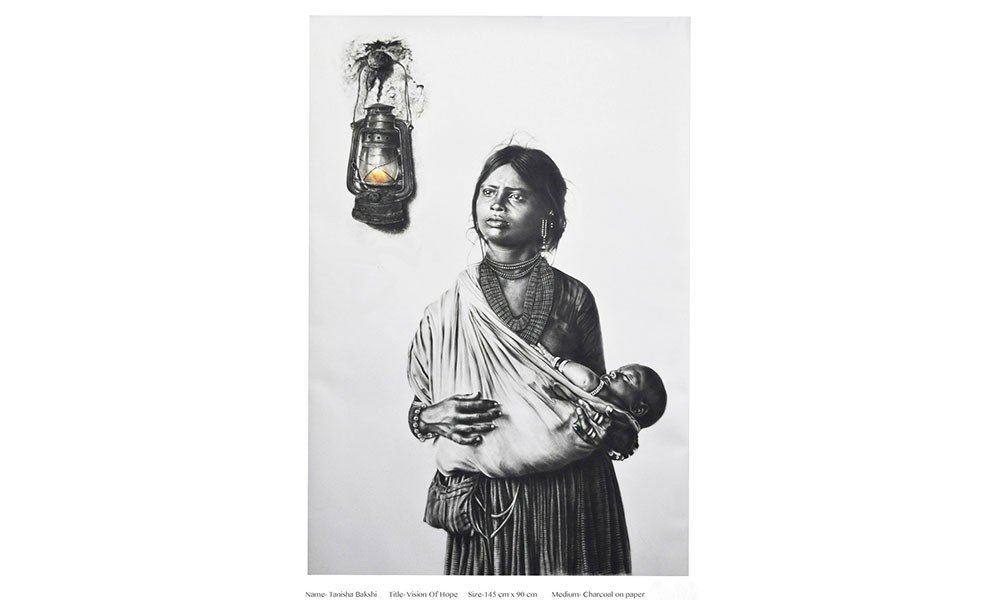
Collecting original art does not need to begin with a major auction or a famous name. A modest, thoughtful collection can grow through works on paper, small paintings, photographs and direct relationships with artists or galleries. The most useful first step is not searching for an investment. It is learning what holds your attention after repeated viewing and setting a total budget that includes framing, delivery and care.
Look widely before purchasing
Visit public galleries, graduate shows, artist run spaces, open studios and local art fairs. Save notes about works that stay in your mind and identify the qualities they share. Looking in person teaches scale, surface and presence in a way that small online images cannot.
Understand what you are buying
Ask whether a print is unique, part of a limited edition or an open edition. For editions, confirm the number, total edition size, signature and printer information. For any work, request the title, date, medium, dimensions, price and condition in writing. A simple invoice and certificate create a clear record.
Set a complete budget
Framing can cost as much as a small work, especially when archival materials or specialist mounting are required. Include taxes, delivery, insurance and installation before agreeing to buy. Payment plans may be available, but they should be clearly documented and affordable.
Buy for a lasting relationship
Market value may change and should not be promised. Choose work that you want to live with and that reflects an artist's genuine practice. Learn about the wider series, exhibition history and materials. A respectful conversation often gives more confidence than pressure based on scarcity.
Practical checklist
- Start a private wish list and wait a few days before deciding
- Ask for care and framing guidance
- Keep invoices, certificates and correspondence together
- Never feel embarrassed to state your budget clearly
Final thoughts
A strong collection develops through attention rather than speed. Begin with work you can understand, document and care for. As your eye becomes more experienced, the collection will naturally reflect your interests and the artists whose work continues to matter to you.
Related articles
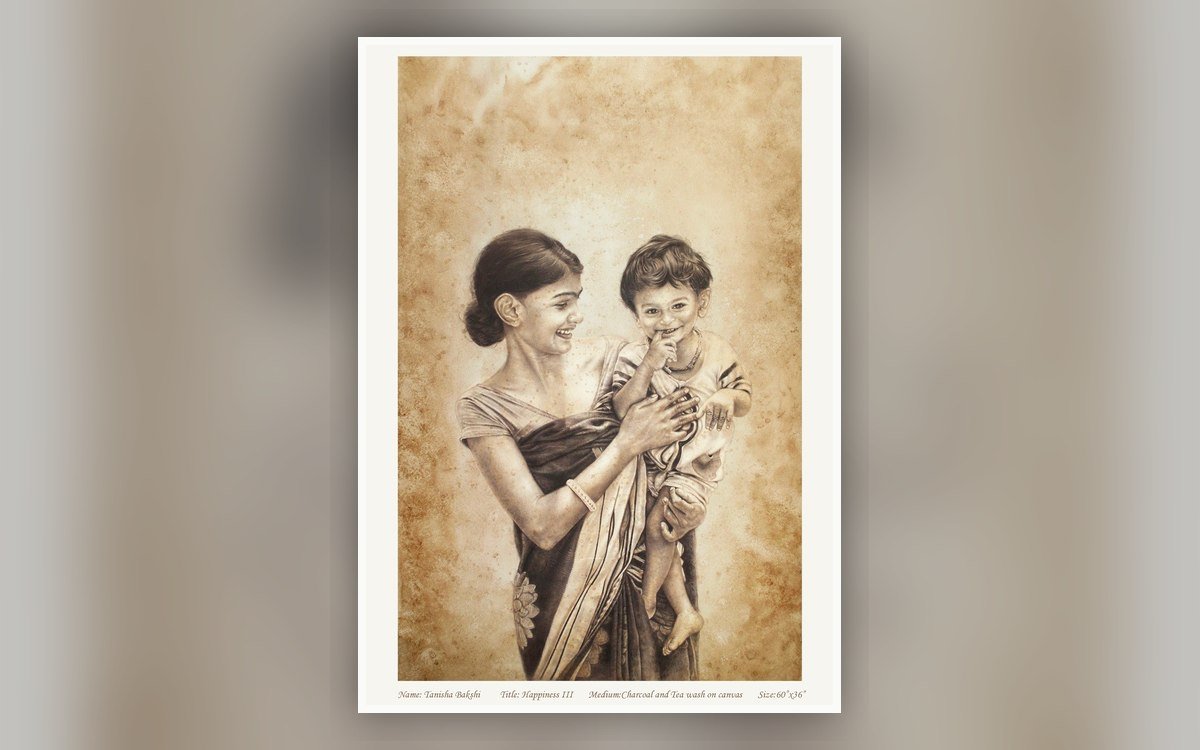
How to Care for Charcoal Drawings and Works on Paper
Archival framing, stable humidity and careful handling protect charcoal drawings and other works on paper from smudging and fading.
Read article →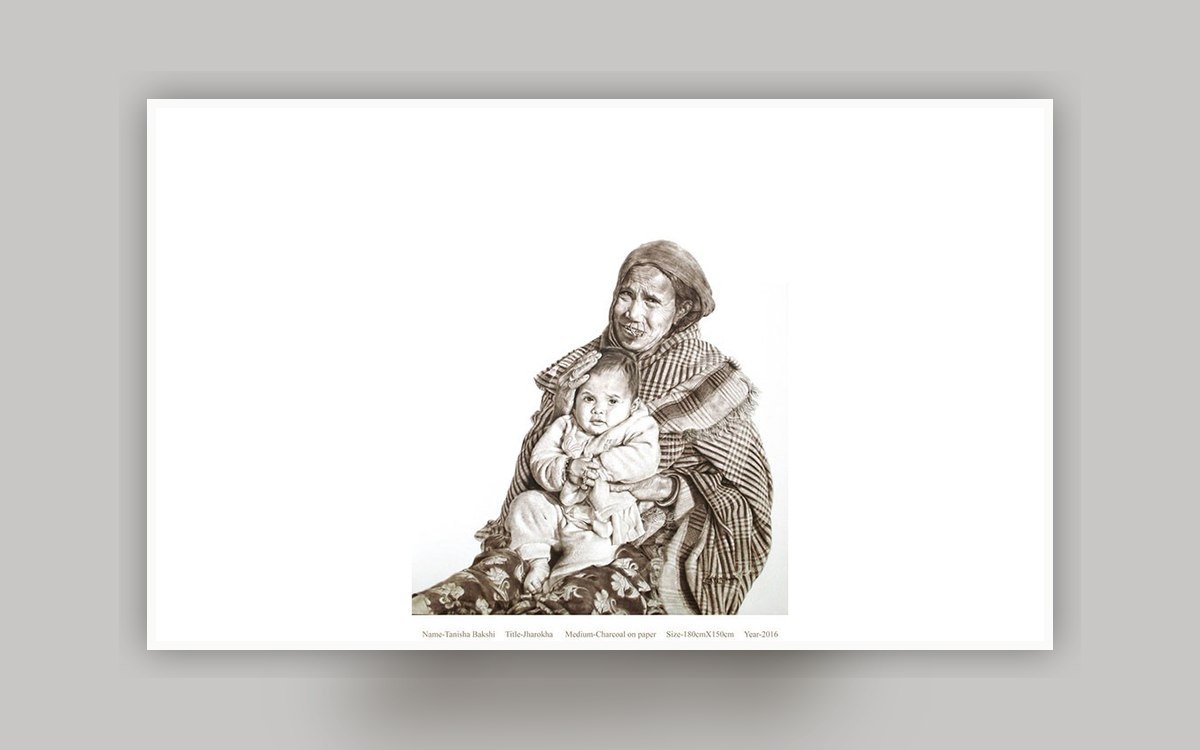
Choosing the Right Artwork for Your Home
Choose art for its emotional presence first, then confirm scale, light, framing and placement with simple tests.
Read article →