Charcoal Drawing Techniques for Expressive Portraits
Charcoal can create delicate skin tones, deep shadows and energetic marks when pressure, edges and paper are controlled deliberately.
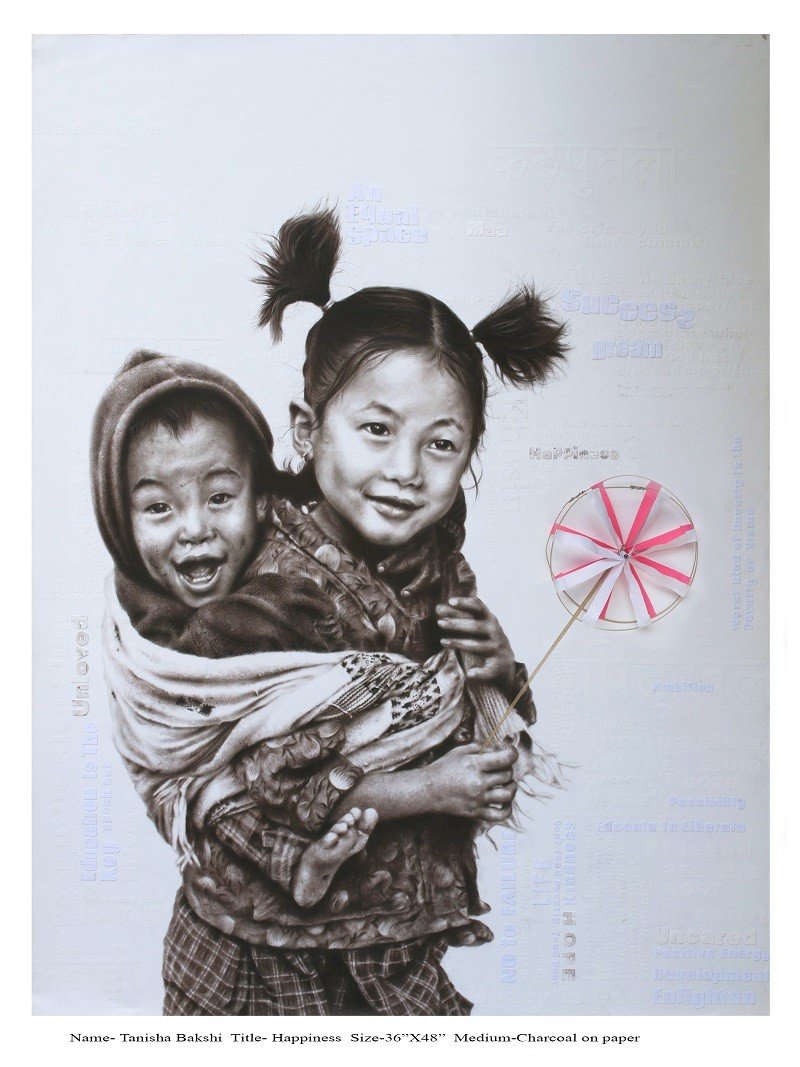
Charcoal is direct, responsive and capable of moving from pale atmosphere to rich black within a few strokes. That range makes it especially effective for portraits where expression depends on subtle transitions as much as precise features. Good charcoal drawing is less about making everything dark and more about organising light, edge and pressure so the face feels present. A thoughtful process also protects the paper from unnecessary smudging and preserves the freshness of the marks.
Choose paper for the intended surface
Smooth paper supports fine detail but can become slippery after repeated blending. Paper with a moderate tooth holds more charcoal and gives broken marks a lively texture. Before beginning a large portrait, test vine charcoal, compressed charcoal and white eraser marks on a spare sheet. The test shows how dark the paper can go and how cleanly highlights can be lifted.
Establish the large value pattern first
Begin by locating the broad shape of the head, the direction of the shoulders and the main division between light and shadow. Avoid finishing an eye before the surrounding planes are placed. A simple value map keeps proportions connected and prevents details from floating independently. Squinting at the subject reduces distracting information and makes the main pattern easier to judge.
Use edges to direct attention
Not every contour needs the same sharpness. A crisp edge near the eye can attract attention, while a softer cheek or hair edge allows the form to turn into space. Lost edges, where subject and background share a value, can make the portrait feel atmospheric. Variety in edge quality often creates more realism than adding extra lines.
Blend selectively and restore structure
Fingers can deposit oil and flatten the paper tooth, so use tissue, chamois or a blending stump sparingly. Blend broad transitions, then return with charcoal to restore decisive planes and accents. Kneaded erasers are useful drawing tools rather than simple correction tools. They can lift reflected light, soften a transition and recover fine highlights without cutting the paper.
Practical checklist
- Work from hard to soft charcoal and save compressed charcoal for the deepest accents
- Place a clean sheet under the drawing hand
- Step back often to compare the whole head rather than isolated features
- Apply fixative outdoors in light passes and test it first because it can darken values
Final thoughts
An expressive charcoal portrait balances control with visible movement. Accurate proportion provides stability, while varied pressure, selective blending and purposeful edges create feeling. The most convincing result usually preserves evidence of the artist's hand instead of polishing every area to the same finish.
Related articles
Working With Found Materials in Contemporary Art
Found materials can bring memory and social context into an artwork when their origin, safety and meaning are considered carefully.
Read article →
How an Artist Develops a Personal Visual Language
A personal visual language grows through observation, repetition, honest choices and patient editing rather than a single breakthrough.
Read article →