Working With Found Materials in Contemporary Art
Found materials can bring memory and social context into an artwork when their origin, safety and meaning are considered carefully.
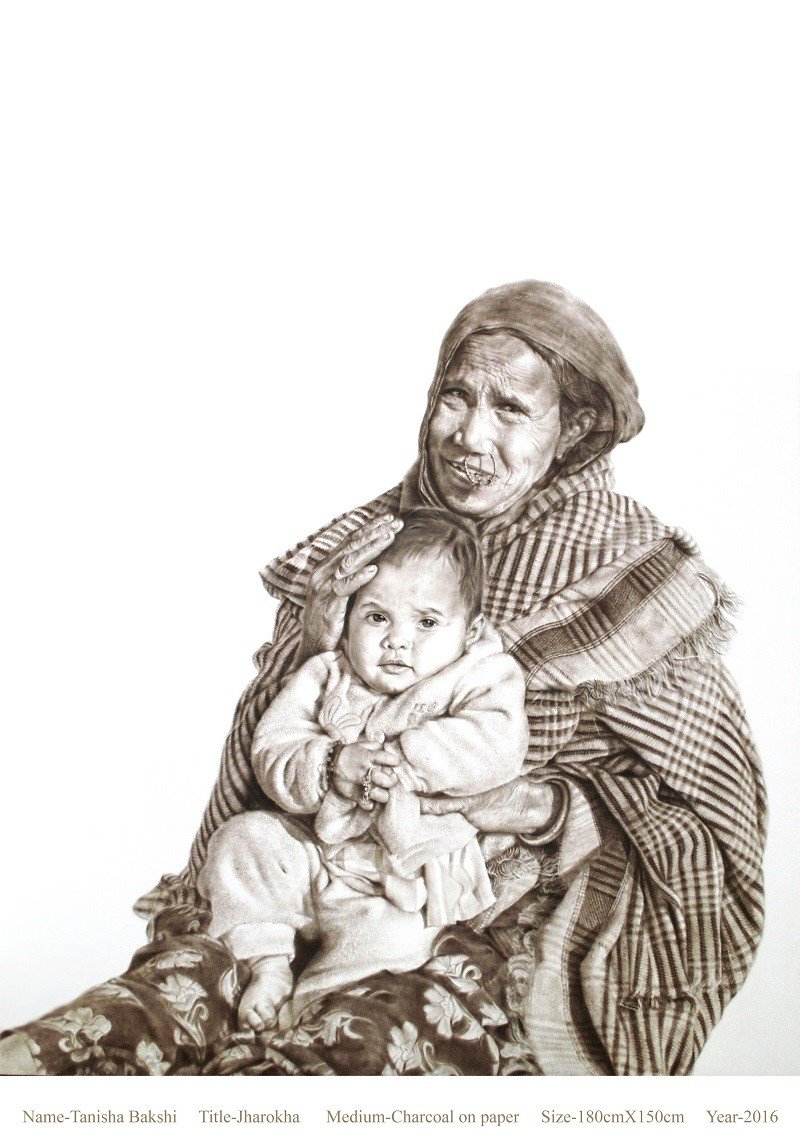
A discarded object is never completely neutral. It may show wear, labour, domestic use, migration, celebration or neglect. When an artist brings such a material into a work, its previous life becomes part of the meaning. This gives found materials unusual emotional power, but it also creates responsibilities. The artist needs to understand where an object came from, whether it can be used safely and whether taking it removes something important from another person or place.
Start with the material's history
Record where an object was found, what it was used for and why it attracted attention. A short conversation with an owner or community member may reveal associations that are not visible. Research prevents an artist from assigning a convenient story that conflicts with the object's actual context. When the history is uncertain, the artwork should leave room for that uncertainty.
Consider consent and ownership
Objects connected with personal grief, religious practice or vulnerable communities require particular care. Finding something in a public place does not always make it ethically available. Ask permission where possible and avoid using identifying personal material without consent. A substitute or newly made element can sometimes carry the intended idea without taking something that belongs to another story.
Plan for stability and safety
Old metal may have sharp edges, fabric can harbour mould and painted surfaces may contain harmful substances. Clean and isolate materials using methods suitable for their condition. Heavy elements need secure fixings and clear installation instructions. Galleries also need accurate information about weight, flammability, dust and any material that may change over time.
Let transformation remain legible
Found material becomes most compelling when viewers can sense both its earlier use and its new role. Completely disguising it can erase the very history that made it meaningful. Joining, cutting, layering or drawing on an object should deepen its relationship with the work rather than merely decorate it.
Practical checklist
- Photograph the object before alteration
- Keep a material log with source, date and treatment
- Test adhesives and coatings on a small hidden area
- Prepare handling and installation notes for future exhibitions
Final thoughts
Found materials connect art with the physical evidence of lived experience. Their value does not come from novelty alone. It comes from careful selection, truthful context and a transformation that respects both the material and the people whose lives may be connected with it.
Related articles
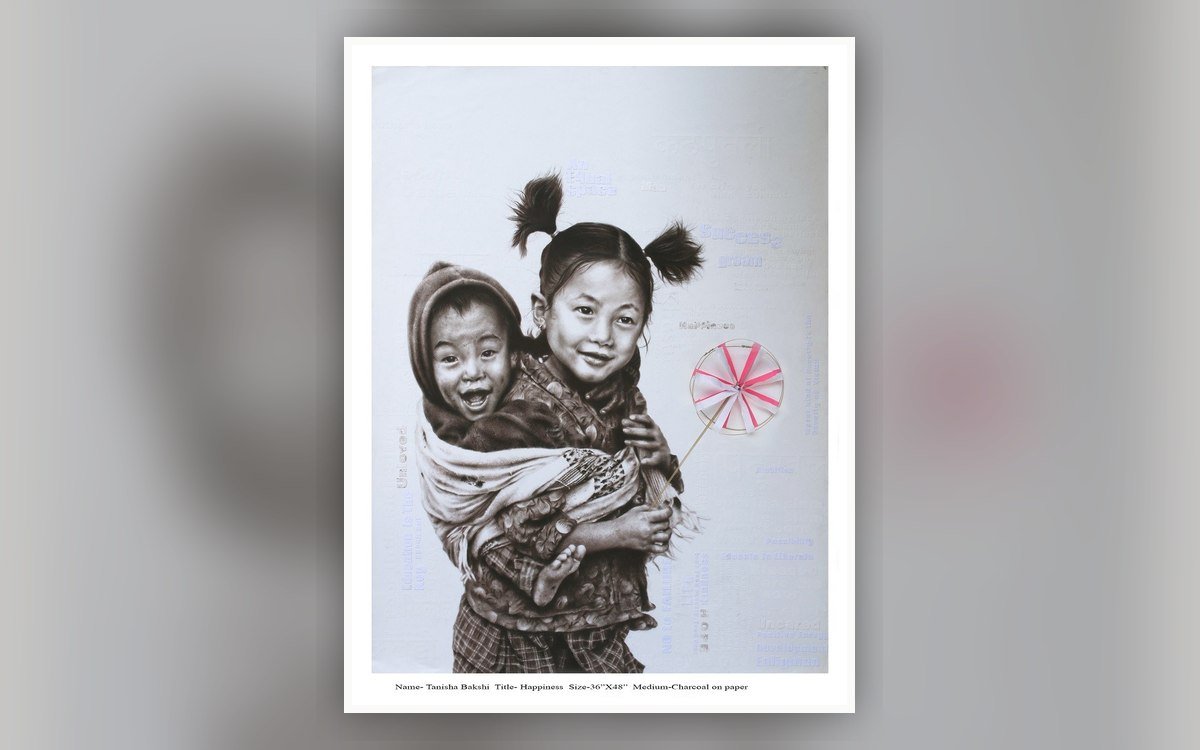
Charcoal Drawing Techniques for Expressive Portraits
Charcoal can create delicate skin tones, deep shadows and energetic marks when pressure, edges and paper are controlled deliberately.
Read article →
How an Artist Develops a Personal Visual Language
A personal visual language grows through observation, repetition, honest choices and patient editing rather than a single breakthrough.
Read article →