How an Artist Develops a Personal Visual Language
A personal visual language grows through observation, repetition, honest choices and patient editing rather than a single breakthrough.
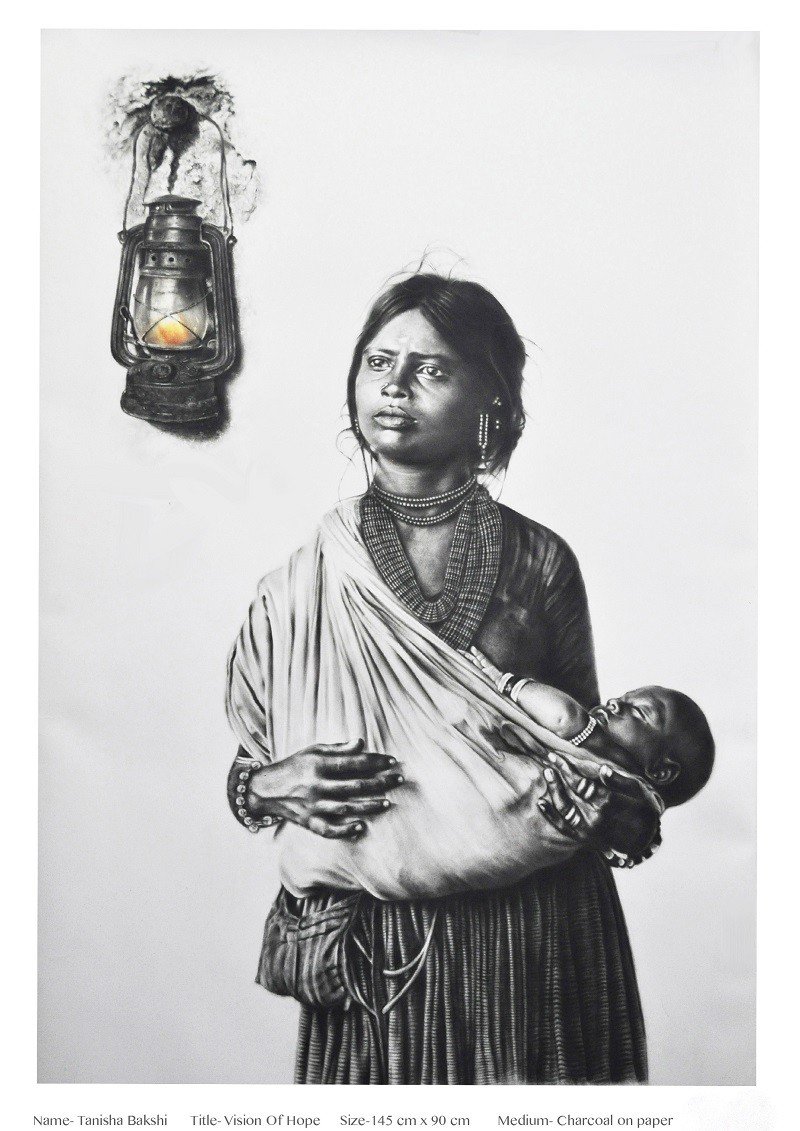
A recognisable visual language is not a decorative formula that an artist chooses once. It develops through years of looking, making, discarding and returning to ideas that continue to feel important. Viewers may notice repeated subjects, marks, colours or compositions, but the deeper consistency usually comes from the questions an artist keeps asking. This process becomes stronger when technique serves meaning instead of becoming an end in itself.
Begin with sustained observation
The strongest starting point is often close attention to ordinary life. Drawing the same subject in different light, from several distances and in changing moods reveals more than collecting unrelated references. Observation also includes listening to the people and places connected with a subject. Notes, photographs and quick sketches can preserve details without replacing direct experience.
Repeat with a clear purpose
Repetition helps an artist recognise which decisions are instinctive and which are borrowed. A series of related works creates room to vary scale, viewpoint, material and emphasis. Each version should answer a slightly different question. When repetition becomes mechanical, changing one condition can reopen the process and prevent the work from becoming a fixed style exercise.
Edit what does not belong
A personal language becomes clearer through subtraction. An artist can place recent works together and identify gestures, colours or symbols that appear without contributing to the central idea. Removing these habits often creates more focus. Trusted feedback is useful when it describes what a viewer actually sees rather than telling the artist what the work should become.
Let materials carry meaning
Material choices affect how a subject is understood. Charcoal can hold softness, darkness and direct physical energy, while found materials may carry histories of use. The choice should relate to the emotional and social character of the work. Experimentation matters, but the final material should feel necessary rather than fashionable.
Practical checklist
- Keep a dated sketchbook and record why each study was made
- Work in small series so changes can be compared
- Review finished work away from the studio after several days
- Write a one sentence question that each new work is trying to answer
Final thoughts
A personal visual language remains alive when it is recognisable but not predictable. It grows from sustained attention, ethical research and the courage to revise familiar solutions. The goal is not to make every work look identical. It is to let different works feel connected by the same honest way of seeing.
Related articles
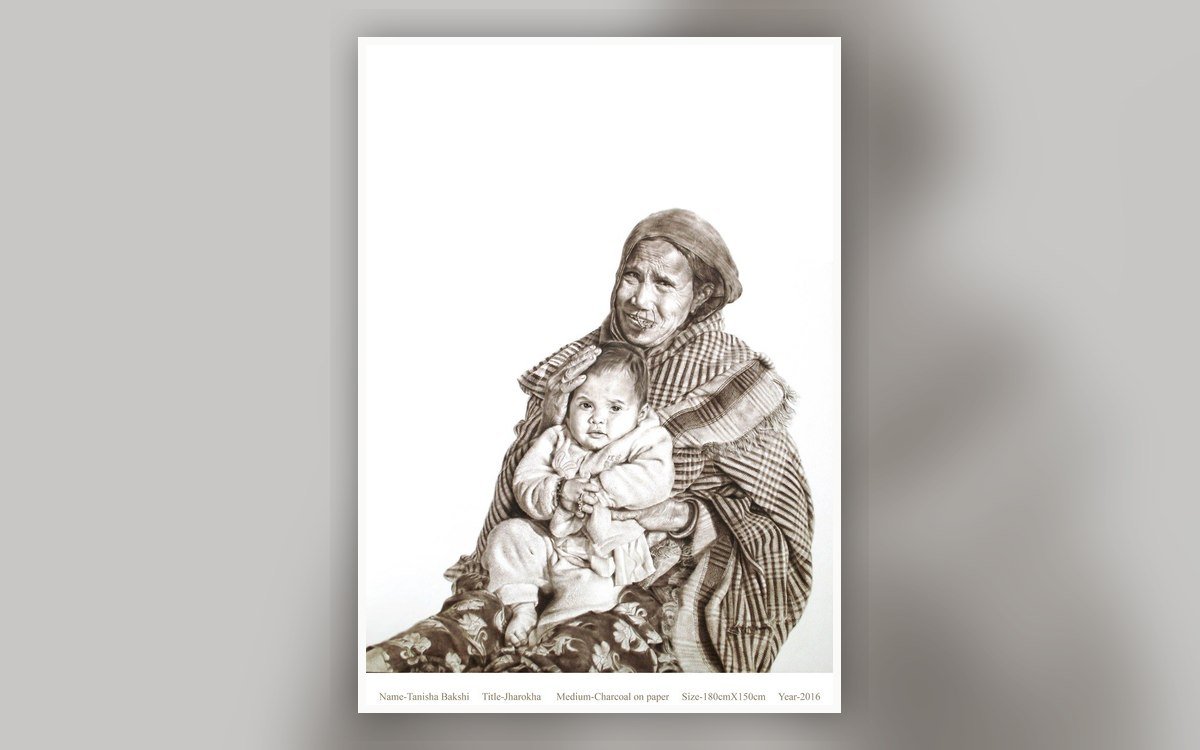
Working With Found Materials in Contemporary Art
Found materials can bring memory and social context into an artwork when their origin, safety and meaning are considered carefully.
Read article →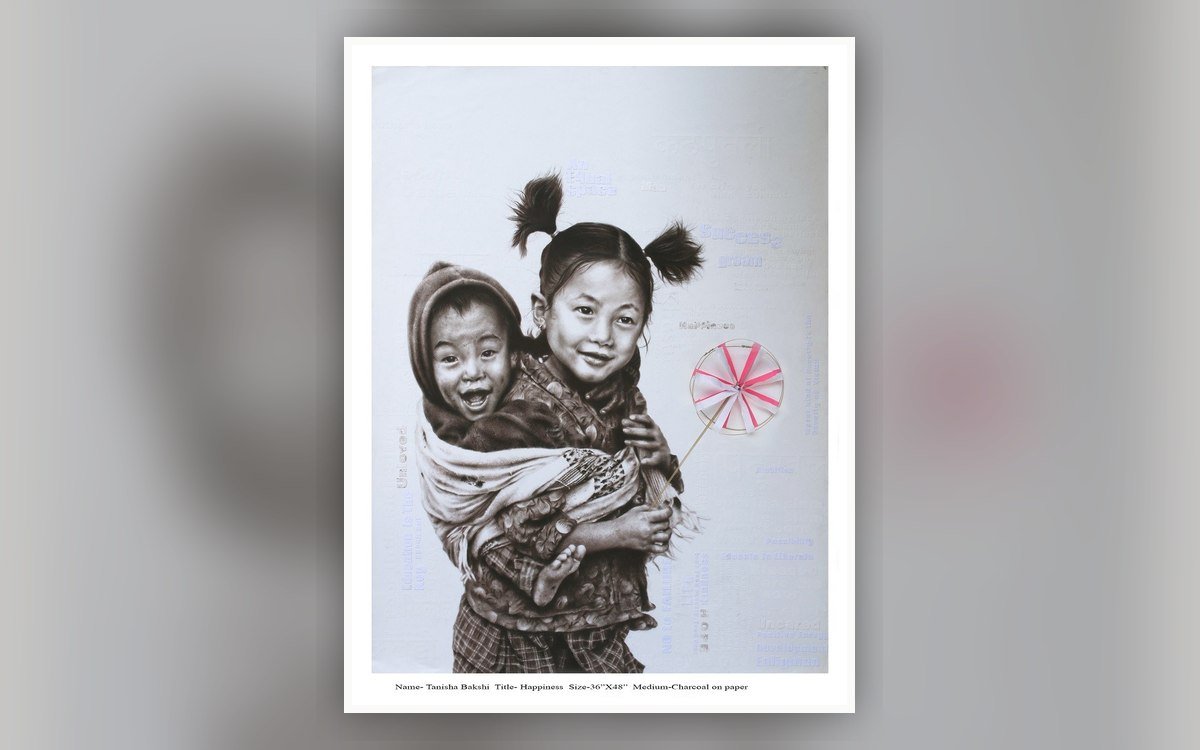
Charcoal Drawing Techniques for Expressive Portraits
Charcoal can create delicate skin tones, deep shadows and energetic marks when pressure, edges and paper are controlled deliberately.
Read article →