How to Document an Art Exhibition Professionally
Good exhibition documentation records individual works, the whole space and the way visitors encounter the installation.
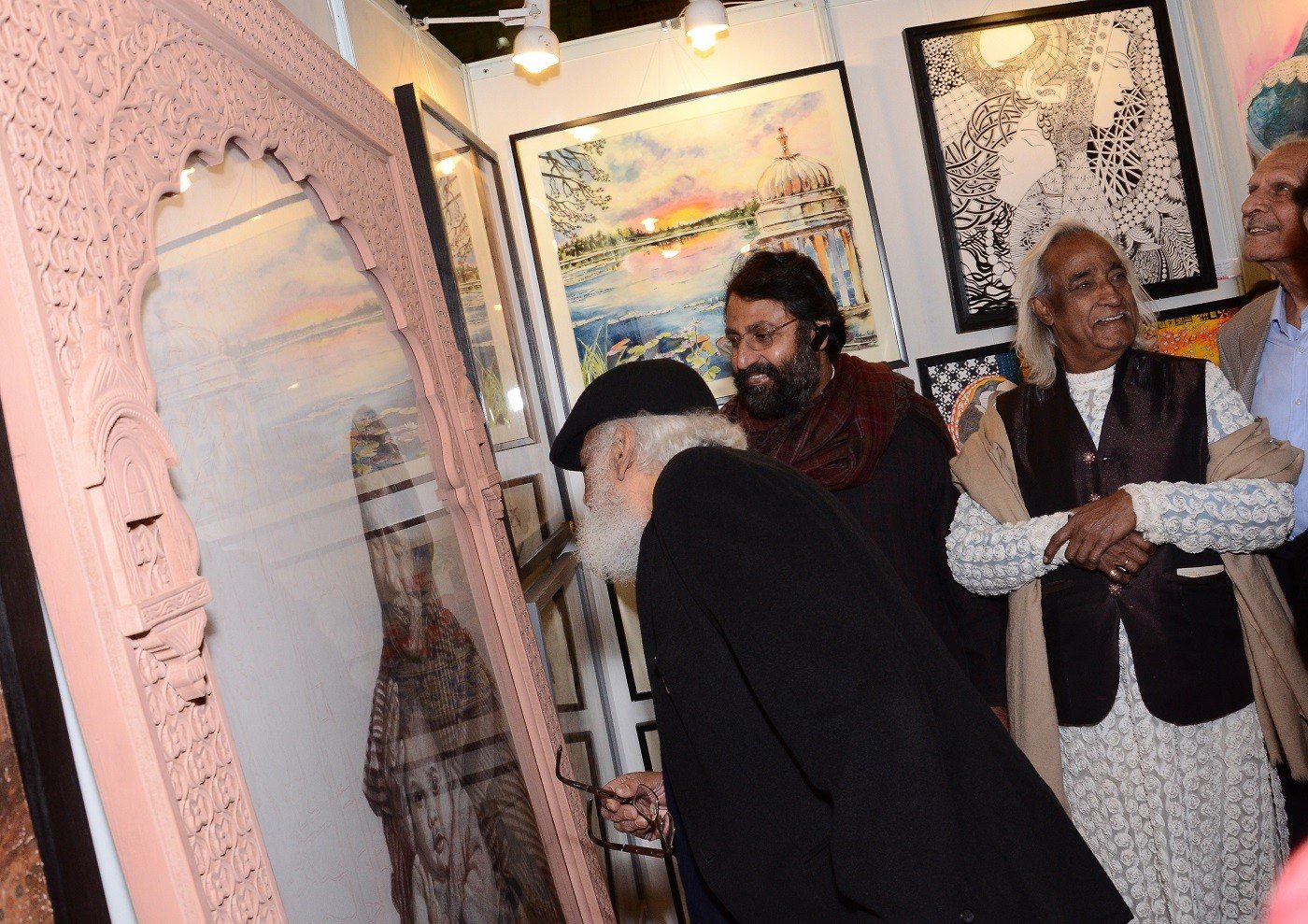
An exhibition exists for a limited period, but thoughtful documentation allows it to support future applications, publications, sales and research. A few crowded opening night photographs are rarely enough. Professional documentation should show the work accurately, explain its scale and preserve the relationship between artworks and architecture. Planning the photography before the public arrives produces cleaner and more useful results.
Prepare the space before shooting
Remove packaging, tools, spare labels and personal belongings. Clean glass, frames and floors, then check that lights are aimed consistently. Photograph before guests enter, while still capturing a separate set with visitors later to show scale and engagement. Ask the venue for permission and confirm any restrictions on photographing other artists' work.
Capture three levels of view
Begin with wide images that establish the whole room and visitor path. Add medium views showing relationships between two or more works. Finish with straight, detailed images of individual pieces and important installation elements. This set tells a complete story and gives designers options for different layouts.
Control perspective and colour
Keep the camera level to avoid walls appearing to lean. A tripod supports lower light settings and consistent framing. Mixed daylight and gallery lamps can create difficult colour casts, so photograph a neutral reference and correct colour carefully. Editing should reproduce the actual work rather than making it more dramatic.
Build an organised archive
Rename files with exhibition, venue, date and sequence rather than leaving camera numbers. Save high resolution masters and smaller web copies in separate folders. Add photographer credit, artwork captions and usage permission in a simple document. Back up the archive in at least two locations.
Practical checklist
- Make a shot list before installation day
- Include one clear image of every label and artwork pairing
- Obtain written consent for identifiable visitor portraits
- Deliver agreed files and credits promptly to partners and press
Final thoughts
Exhibition documentation is part of the work's professional record. Accurate wide views, carefully lit details and organised captions help curators and audiences understand an event after it closes. The aim is not to manufacture excitement but to preserve what the exhibition genuinely looked and felt like.
Related articles
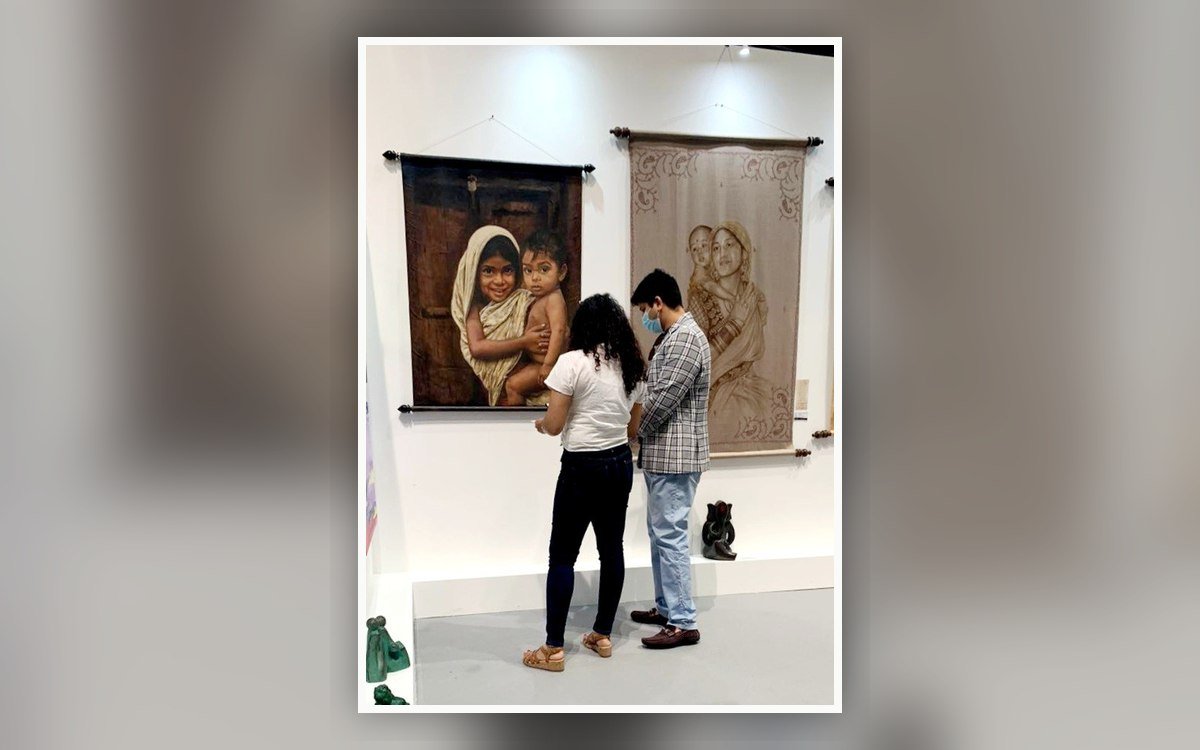
What Visitors Can Expect at a Contemporary Art Exhibition
Contemporary exhibitions invite visitors to look slowly, ask questions and form their own responses without needing specialist knowledge.
Read article →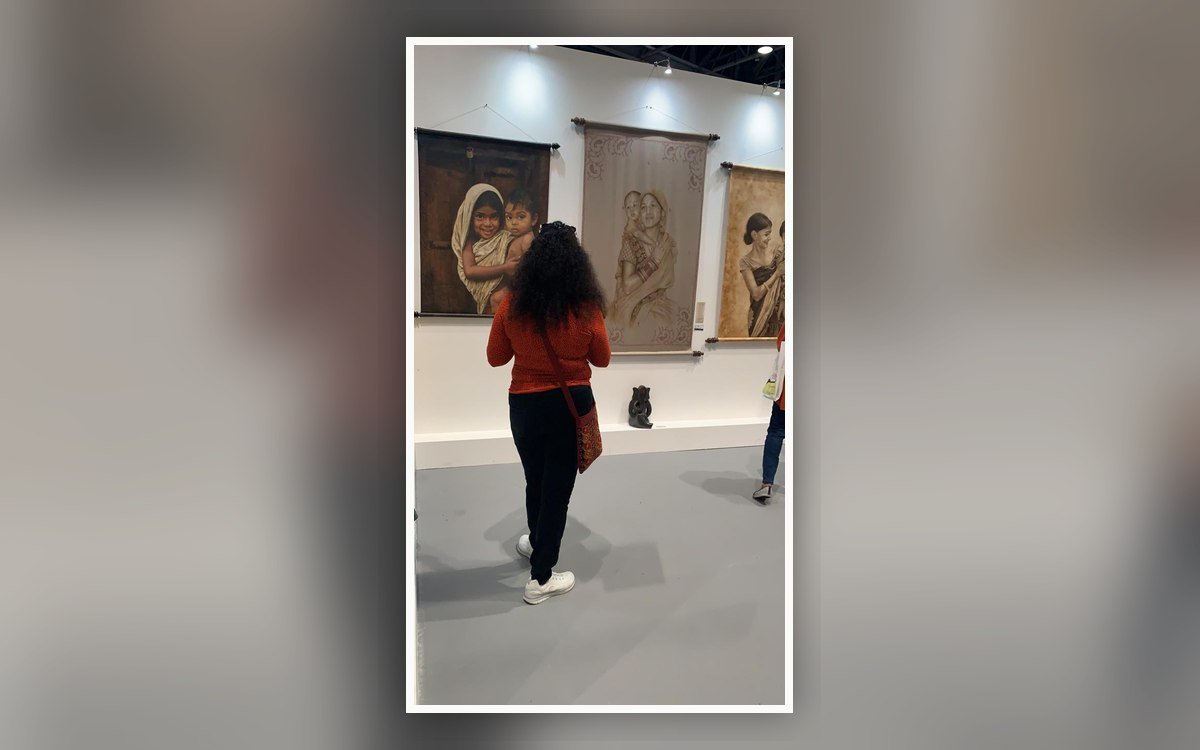
Preparing Artwork for a Gallery Exhibition
A calm exhibition setup begins with accurate records, secure presentation, clear labels and a practical installation plan.
Read article →