What Visitors Can Expect at a Contemporary Art Exhibition
Contemporary exhibitions invite visitors to look slowly, ask questions and form their own responses without needing specialist knowledge.
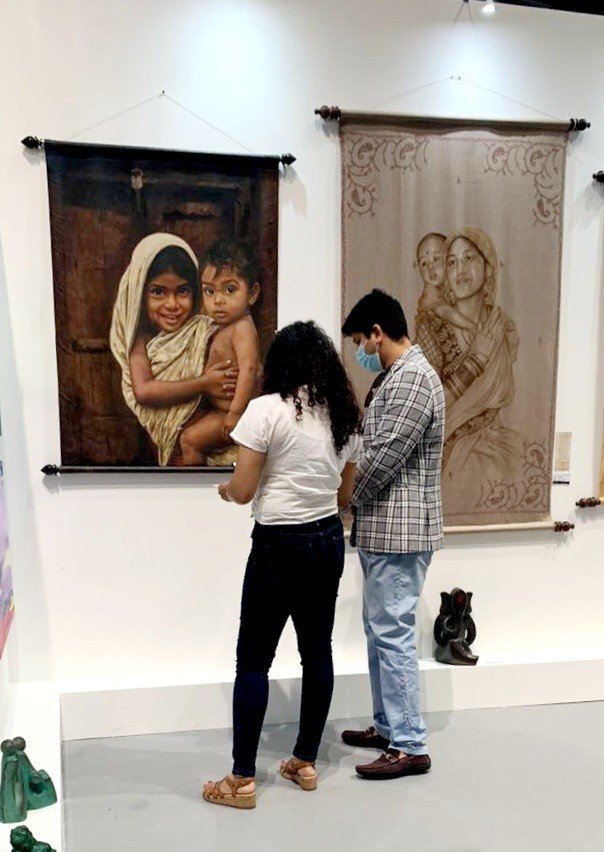
A contemporary art exhibition can include painting, drawing, photography, installation, sound, film or objects that do not resemble traditional art materials. This range sometimes makes first time visitors worry that they need expert knowledge. They do not. A useful visit begins with attention and curiosity. Wall texts and guides offer context, but personal observation is not a test with one correct answer.
Start with a full walk through
Move through the space once without trying to read everything. Notice scale, light, sound and the relationship between works. This first impression reveals the rhythm of the exhibition. Return to the pieces that continue to hold attention, even when the reason is not immediately clear.
Use labels as support, not instructions
A label usually gives the artist, title, date and material. A longer text may explain the research or curatorial idea. Read it after looking at the work for a moment so that the language does not replace direct experience. It is reasonable to disagree with an interpretation or to find that a work raises more questions than answers.
Respect the work and other visitors
Follow photography signs, keep a safe distance and avoid touching unless the work explicitly invites participation. Large bags may need to be carried carefully or stored. In quiet video or sound spaces, allow other visitors to listen without interruption. Children can engage meaningfully when adults explain the basic boundaries.
Speak with gallery staff
Attendants and guides can clarify materials, schedules and accessibility. At an opening, the artist may also be present, but a thoughtful short question is often more useful than asking for a complete explanation. Questions about process, research or how a series developed can open a genuine conversation.
Practical checklist
- Allow at least thirty minutes for a small exhibition
- Keep brief notes on works you want to remember
- Check whether talks or guided tours are scheduled
- Visit again at a quieter time when an exhibition has many layers
Final thoughts
The best exhibition visit is active but unhurried. Look first, read selectively and trust your own response while remaining open to new information. Contemporary art is often designed to create dialogue, and the visitor's attention is an important part of that exchange.
Related articles

How to Document an Art Exhibition Professionally
Good exhibition documentation records individual works, the whole space and the way visitors encounter the installation.
Read article →
Preparing Artwork for a Gallery Exhibition
A calm exhibition setup begins with accurate records, secure presentation, clear labels and a practical installation plan.
Read article →