Preparing Artwork for a Gallery Exhibition
A calm exhibition setup begins with accurate records, secure presentation, clear labels and a practical installation plan.
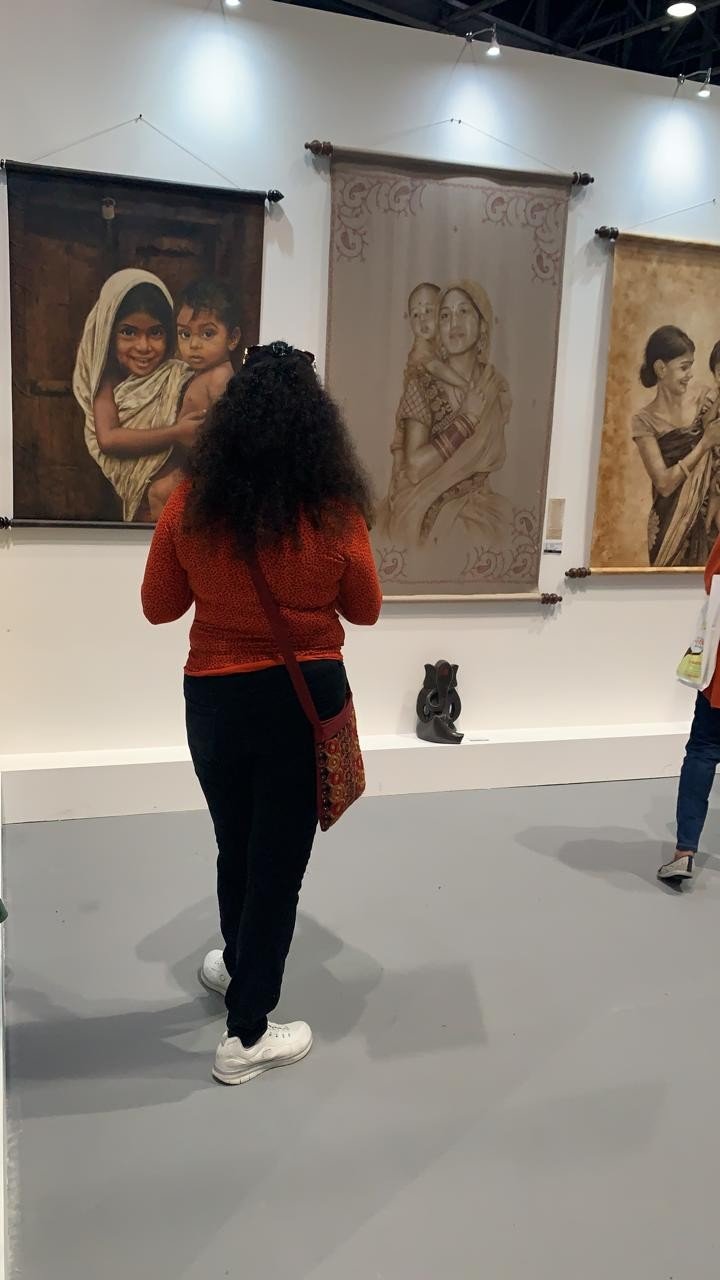
Exhibition preparation is a separate stage of artistic practice. A strong body of work can lose impact when frames are inconsistent, labels contain errors or installation decisions are left until opening day. Preparation should begin as soon as participation is confirmed. The artist, curator and gallery need one reliable record of titles, dimensions, materials, prices and display requirements so the exhibition can be installed safely and communicated accurately.
Create a final inventory
Assign every work a unique reference number and record the exact title, year, medium, unframed dimensions, framed dimensions and insurance value. Include a clear image of each work. This inventory should match labels, price lists and transport documents. Last minute title changes are a common source of confusion, so freeze the final list before printing.
Finish the presentation professionally
Check frames, mounts, wires, D rings, plinths and protective glazing. Works on paper should use archival materials and sit securely without touching the glazing. Clean all surfaces under neutral light. The back of each work should carry a label with the artist name, title, orientation and contact details in case external packaging is separated during transport.
Plan the installation before arrival
Request wall measurements, doorway sizes, lighting information and photographs of the space. A simple scale plan helps test sequences and spacing. Note unusual weight, power or access needs in advance. Bring a compact installation kit, but confirm which tools and fixings the venue permits.
Prepare information for visitors
Concise labels should be readable without competing with the work. A short artist statement can introduce the central question of the exhibition, while a longer text or QR code can provide additional context. Check every factual claim, credit photographers and obtain permission before naming people represented in documentary work.
Practical checklist
- Photograph condition before packing and again after unpacking
- Use reusable corner protection and clearly mark orientation
- Carry a printed inventory and digital backup
- Schedule time for lighting adjustments after all works are hung
Final thoughts
Professional preparation protects the artwork and gives visitors a coherent experience. It also allows the artist to be present during the opening instead of solving preventable technical problems. A clear inventory, secure presentation and tested installation plan are the foundation of a confident exhibition.
Related articles
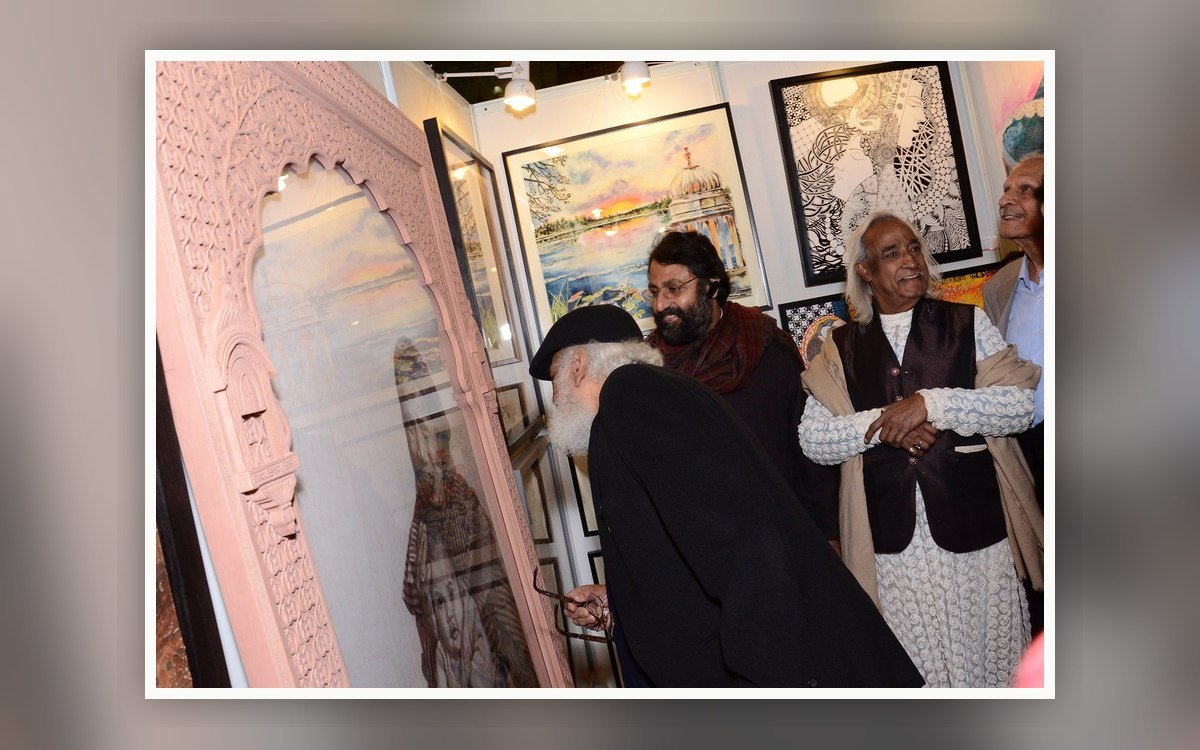
How to Document an Art Exhibition Professionally
Good exhibition documentation records individual works, the whole space and the way visitors encounter the installation.
Read article →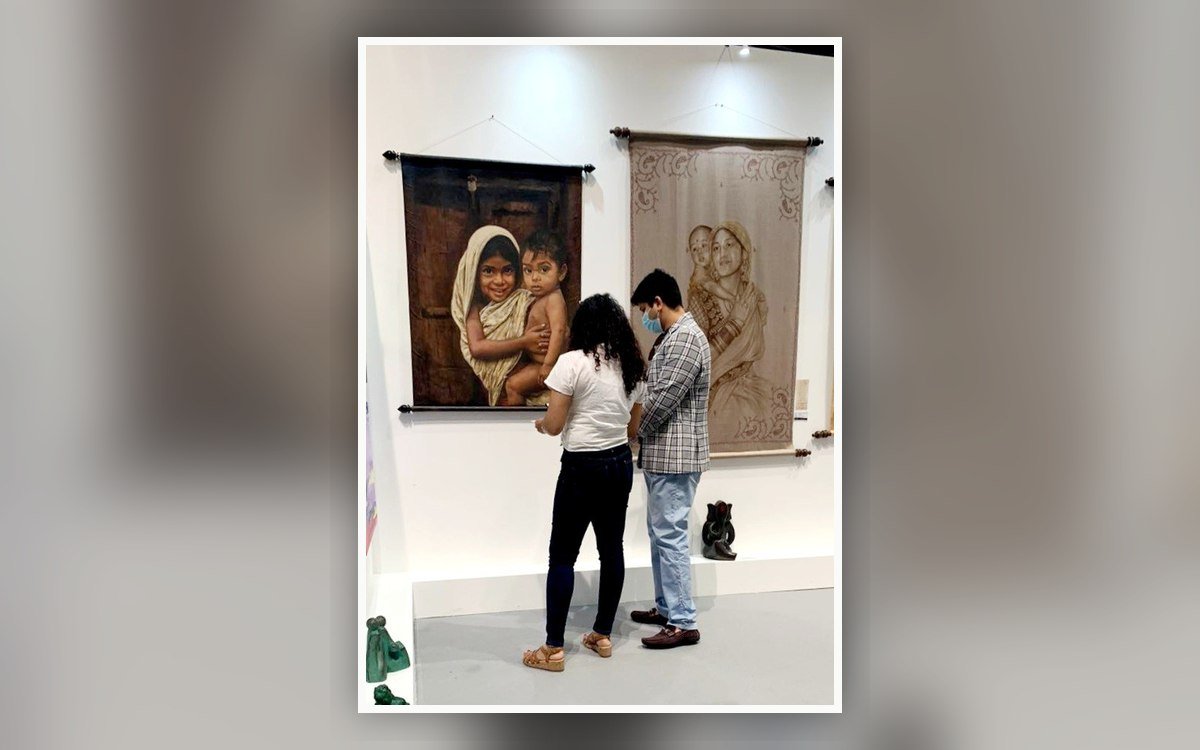
What Visitors Can Expect at a Contemporary Art Exhibition
Contemporary exhibitions invite visitors to look slowly, ask questions and form their own responses without needing specialist knowledge.
Read article →